
Radiator Replacement Dublin
- Home
- Radiator Replacement Dublin
Radiator Replacement Dublin: Upgrade Your Heating System Efficiently
Introduction
If your home is colder than usual or your energy bills are rising, it might be time to consider Radiator Replacement Dublin. Radiators are essential for maintaining a comfortable temperature in your home, especially during Ireland’s colder months. However, old or inefficient radiators can lead to higher costs in the long run.
This guide explains everything you need to know about replacing radiators: from the signs that they need replacing and choosing the right system to why k67plumbing and Heating is a trusted partner. Whether you’re a homeowner, landlord, or property manager in Dublin, this article will help you make informed decisions.
Why Radiator Replacement Dublin Matters

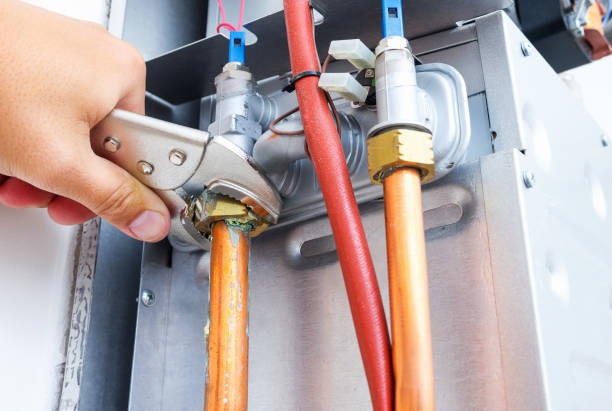
Replacing your radiators is more than just a cosmetic improvement; it’s a strategic investment that directly impacts the efficiency of your heating system. In many Dublin homes, especially in older buildings, radiators lose efficiency over time due to wear and tear, blockages, or outdated design. This decrease in performance not only reduces comfort but also increases energy consumption and monthly heating bills.
When radiators fail, the boiler has to work harder and for longer to maintain the desired temperature. This wastes energy, unnecessarily overloads the heating system, and can lead to more frequent repairs or a shorter boiler lifespan.
Radiator Replacement Dublin will heat your home faster, keep it warmer for longer, and use energy more efficiently. It’s a worthwhile investment thanks to increased comfort, reduced costs, and a more sustainable living environment.
Key Benefits:
Improved Energy Efficiency
Modern radiators are designed with advanced materials and improved heat transfer technology. Unlike older models, they heat up quickly and distribute warmth more evenly throughout the room.
Over time, older radiators accumulate sludge—a mixture of rust, dirt, and debris—that restricts water flow. This blockage reduces heat output and forces your heating system to consume more energy. By replacing outdated units, you restore optimal water circulation and maximize efficiency.
Lower Heating Bills
One of the main advantages of replacing radiators is reduced energy consumption. Your heating system will run less frequently and for shorter periods.
For homeowners in Dublin, where heating is essential for much of the year, even a slight improvement in efficiency can lead to substantial long-term savings. The investment in new radiators is quickly recouped through lower monthly bills.
Better Heat Distribution
Old or faulty radiators are often the cause of uneven heat distribution in a home. Some rooms become excessively hot, while others remain cold and uncomfortable. Modern radiators are designed to ensure even heat distribution, warming every corner of the room uniformly. This even distribution eliminates cold spots and creates a more comfortable environment.
Modern systems can also be paired with thermostatic radiator valves, allowing for more precise temperature control in each room.
Modern Design and Aesthetics
Modern radiators are designed with advanced materials and improved heat transfer technology. Unlike older models, they heat up quickly and distribute warmth more evenly throughout the room.
Over time, older radiators accumulate sludge—a mixture of rust, dirt, and debris—that restricts water flow. This blockage reduces heat output and forces your heating system to consume more energy. By replacing outdated units, you restore optimal water circulation and maximize efficiency.
Improved Energy Efficiency
Modern radiators are designed with advanced materials and improved heat transfer technology. Unlike older models, they heat up quickly and distribute warmth more evenly throughout the room.
Over time, older radiators accumulate sludge—a mixture of rust, dirt, and debris—that restricts water flow. This blockage reduces heat output and forces your heating system to consume more energy. By replacing outdated units, you restore optimal water circulation and maximize efficiency.
Types of Radiator Replacement Dublin Available
When replacing a radiator in Dublin, choosing the right model is just as important as the installation itself. Each type of radiator is designed to meet specific heating needs, suit different types of buildings, and satisfy aesthetic preferences. Understanding how each option works will allow you to choose a solution that combines comfort and efficiency.
- Central Heating Radiators
- Electric Radiators
- Column Radiators
- Designer Radiators
The Radiator Replacement Process
Understanding how radiator replacement Dublin works can make the entire experience far less stressful and help you prepare your home in advance. Whether you’re upgrading a single unit or planning a full system overhaul, knowing each stage ensures you know what to expect and how to get the best results from your investment.
A professional Radiator Replacement Dublin service follows a structured approach to ensure efficiency, safety, and long-term performance. Below is a detailed breakdown of each step involved in the process.
Assessment of Existing System
The first and most important step is a thorough evaluation of your current heating system. This allows professionals to identify any underlying issues and determine the best approach for replacement.
During this stage, a technician will:
- Inspect the condition of your existing radiators
- Check for sludge build-up, corrosion, or leaks
- Evaluate the efficiency of your boiler
- Assess pipework condition and layout
- Measure room sizes to calculate heating requirements (BTUs)
Selection of New Radiators
Once the assessment is complete, the next step is choosing the right radiators for your home. This involves more than just picking a design—it requires balancing performance, efficiency, and aesthetics.
Key considerations include:
- Heat output requirements: Ensuring each radiator can adequately heat the room
- Check for sludge build-up, corrosion, or leaks
- Evaluate the efficiency of your boiler
- Assess pipework condition and layout
- Measure room sizes to calculate heating requirements (BTUs)
Removal of Old Units
Before installing new radiators, the existing units must be safely removed. This step requires care to prevent damage to your property and heating system.
The process typically involves:
- Turning off the heating system and water supply
- Draining the radiator and, if necessary, the entire system
- Disconnecting the radiator from pipework
- Assess pipework condition and layout
- Carefully removing the unit from the wall
Installation of New Radiators
With the old units removed, the new radiators are installed. This step is crucial for ensuring optimal performance and long-term reliability.
The installation process includes:
- Positioning the new radiator correctly for maximum heat distribution
- Securing it firmly to the wall using appropriate brackets
- Connecting it to the existing or updated pipework
- Installing or upgrading valves for better control
Why Professional Installation Matters
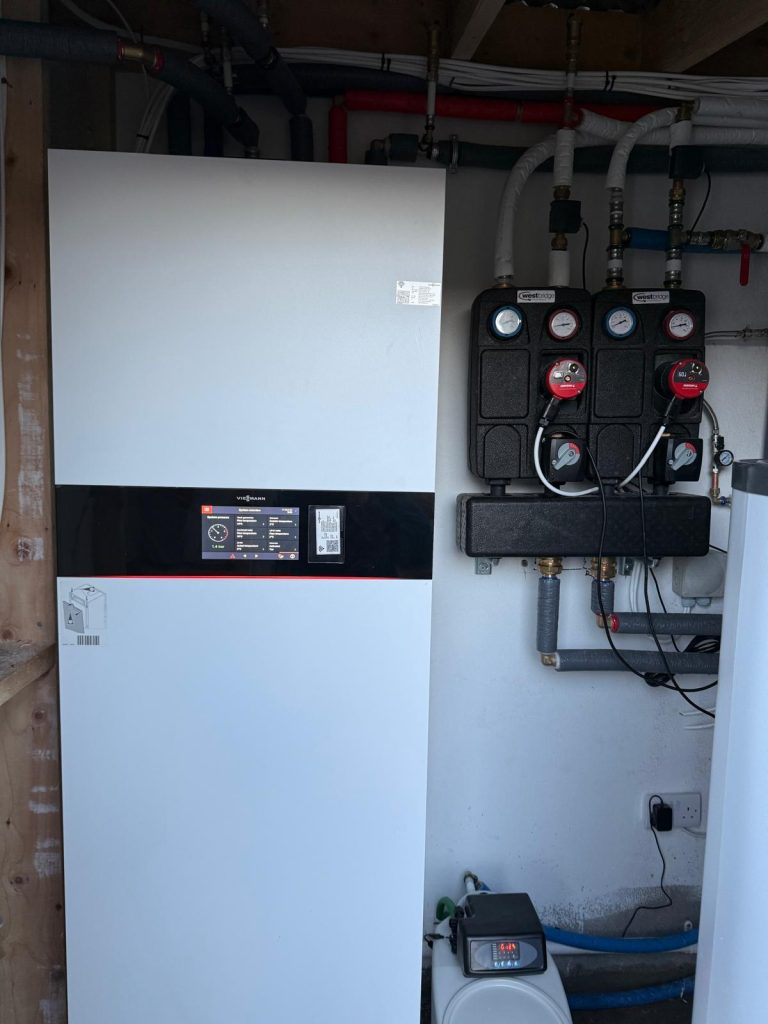
While radiator replacement may seem straightforward, it involves technical knowledge and precision. A professional service like k67plumbingandheating ensures that every stage is handled efficiently.
- Benefits of Hiring Experts
- Accurate assessment and sizing
- Proper system balancing for optimal performance
- Safe removal and installation
- Reduced risk of leaks or future issues
- Minimal disruption to your daily routine
How to Prepare Your Home
Proper preparation can greatly simplify the process.
Before installation:
- Clear the space around existing radiators.
- Remove furniture and any other obstacles.
- Protect the floor if necessary.
- Ensure technicians have easy access to your home.

Frequently asked questions
The time required to radiator replacement dublin depends on several factors, such as the number of radiators, the complexity of the system, and the condition of the existing pipes.
For a single radiator, the job typically takes between one and three hours. This includes removing the old radiator, installing the new one, connecting it to the system, and checking that it is working correctly.
However, replacing all the radiators in a house can take a day or even longer. Larger projects, or those requiring pipe modifications, system bleeding, or valve replacement, can take even longer.
No, it’s not always necessary to replace all the radiators at once. Many homeowners opt for a phased renovation, especially if they have a limited budget or want to tackle specific problems.
For example, they might start by replacing the radiators in the coldest rooms or those showing significant signs of wear, such as leaks or low heating output.
Yes, installing new radiators can significantly reduce your heating costs, especially if your current radiators are old or inefficient.
Modern radiators are designed to heat up faster and distribute heat more evenly. This means your heating system works less and with less effort to maintain a comfortable temperature.
The average lifespan of a radiator varies from 10 to 20 years, depending on its quality, use, and maintenance.
A well-maintained radiator replacement dublin—regularly bled, protected against corrosion, and filled with clean cooling water—generally has a longer lifespan and better performance.
Radiators typically last between 10 and 15 years, depending on their quality, use, and maintenance. Over time, internal corrosion, deposits, and general wear and tear can reduce their efficiency and performance. Signs that replacement is necessary include uneven heat distribution, frequent repairs, leaks, and an increase in your energy bill. Replacing your radiators with new, energy-efficient models, professionally installed in Dublin, can improve your heating, reduce your costs, and increase your comfort.
