Radiator Replacement Swords
- Home
- Radiator Replacement Swords
Radiator Replacement Swords: The Complete Guide to Efficient Home Heating
Introduction
Radiator Replacement Swords: The Complete Guide to Efficient Home Heating
Introduction
If your home feels unevenly heated or your energy bills keep climbing, it might be time to consider Radiator Replacement Swords. Whether you’re upgrading an outdated heating system or fixing inefficient radiators, replacing them can significantly improve comfort and reduce costs. In this guide, we’ll walk you through everything you need to know—from signs you need a replacement to practical tips and expert advice from k67plumbingandheating.
This article is designed for homeowners, landlords, and property managers who want reliable, cost-effective heating solutions without unnecessary complexity.

What Is Radiator Replacement Swords?
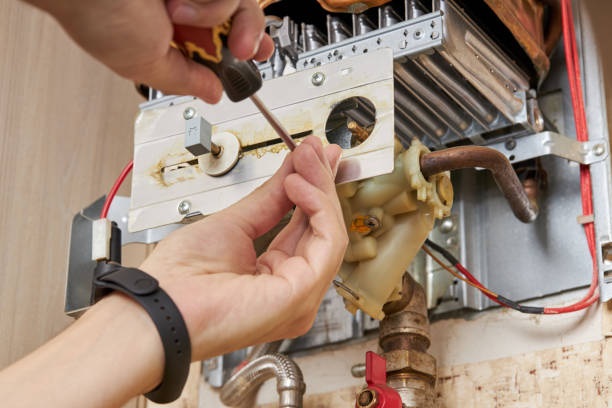
Radiator replacement is the process of upgrading your home’s heating emitters by removing old, inefficient, or damaged radiators and installing new, high-performance models. While it may seem like a simple swap, it’s actually a key step in optimizing the overall efficiency and reliability of your heating system.
Over time, radiators naturally degrade. Internal corrosion can weaken metal components, while sludge—a mixture of rust, debris, and mineral deposits—can accumulate inside the system. This build up restricts the flow of hot water, reducing heat output and causing uneven heating. In older systems, outdated radiator designs may also lack the efficiency and responsiveness of modern units.
Replacing radiators not only resolves these issues but also ensures your heating system operates at its full potential. It often involves assessing your current setup, selecting radiators suited to each room’s size and heat demand, and professionally installing them to ensure proper performance and safety.
Why Radiator Replacement Swords Matters
Radiator replacement is more than just a maintenance task—it’s an investment in comfort, efficiency, and long-term savings. Upgrading to modern radiators can significantly improve how your home heats and feels.
Faster and More Responsive Heating
Modern radiators are engineered to heat up quickly and respond efficiently to thermostat adjustments. This means your rooms reach the desired temperature faster, reducing the time your heating system needs to run and improving overall energy efficiency.
Even Heat Distribution
Older radiators often develop cold spots or fail to circulate heat properly, leading to uneven temperatures across your home. New radiators are designed for consistent heat output, ensuring every corner of the room stays comfortably warm without fluctuations.
Improved Energy Efficiency
Energy efficiency is one of the biggest advantages of radiator replacement. Contemporary models are built to maximize heat output while using less energy. This reduces strain on your boiler or heat source, which can lead to noticeably lower energy bills over time.
Enhanced Interior Aesthetics
Radiators are no longer just functional units—they’re part of your home’s design. With a wide range of styles, sizes, and finishes available, modern radiators can complement your interior décor or even act as a statement feature. From sleek, minimalist panels to bold designer pieces, they add both form and function to your space.
Not sure if it’s time for a replacement? Here are common indicators:
1. Uneven Heating
If some rooms are warmer than others, your radiators may not be functioning properly.
2. Frequent Repairs
Constant leaks or valve issues can make repairs more expensive than replacement.
3. Cold Spots
Radiators with cold patches often have internal sludge buildup.
4. Rising Energy Bills
Inefficient radiators force your system to work harder, increasing costs.
5. Outdated Design
Older models may lack efficiency and modern control features.
Benefits of Radiator Replacement Swords
Upgrading your radiators offers both immediate and long-term advantages.
Improved Energy Efficiency
Modern radiators are designed to maximize heat output while minimizing energy use.
Better Comfort
Enjoy consistent warmth throughout your home.
Lower Maintenance
New systems require fewer repairs and less upkeep.
Increased Property Value
An upgraded heating system can make your property more attractive to buyers or tenants.
Frequently asked questions
The time required for Radiator Replacement Swords depends on the size of the job and the condition of your existing system. In most cases, replacing a single radiator is a relatively quick process, typically completed within 1 to 3 hours by a qualified professional.
However, several factors can influence the timeline:
Accessibility of pipework: If pipes are difficult to reach or need adjustment, installation may take longer.
Type of radiator being installed: Designer or larger radiators may require more precise fitting.
Condition of the heating system: Older systems may need flushing or minor repairs before installation.
Number of radiators: Replacing multiple units or upgrading the entire system can take a full day or more.
A professional technician ensures the system is properly drained, installed, refilled, and tested—so while it may take a few hours, it guarantees long-term efficiency and safety.
Technically, replacing a radiator yourself is possible if you have plumbing knowledge and the right tools. However, it is generally not recommended unless you have prior experience.
Radiator replacement involves more than just swapping units. It includes:
Safely draining the heating system
Ensuring correct pipe alignment and valve fitting
Preventing leaks and pressure issues
Properly refilling and balancing the system
Mistakes during installation can lead to water damage, poor heating performance, or even long-term system inefficiencies. Hiring a professional for Radiator Replacement Swords ensures the job is completed safely, complies with standards, and performs optimally from day one.
Radiators are built to last, but they don’t last forever. On average, most radiators have a lifespan of 10 to 15 years, depending on usage, water quality, and maintenance.
You may need to replace your radiators sooner if you notice:
Persistent cold spots even after bleeding
Frequent leaks or rusting
Reduced heat output
Discoloration or visible corrosion
Increasing energy bills without clear reason
Regular maintenance, such as system flushing and bleeding, can extend the life of your radiators. However, once performance declines significantly, replacement becomes the more cost-effective and efficient solution.
Yes, upgrading to modern radiators can have a noticeable impact on your energy consumption. Newer models are designed with improved heat transfer technology, allowing them to produce more heat using less energy.
Here’s how they help reduce costs:
Faster heating: Rooms reach desired temperatures quickly, reducing heating time
Better heat retention: Maintains warmth longer with less energy input
Efficient water flow: Minimizes strain on your boiler
Compatibility with smart controls: Allows better temperature regulation
While savings vary depending on your home and usage, many homeowners see a reduction in heating costs after investing in Radiator Replacement Swords.
No, it’s not always necessary to replace them all at the same time. You can replace them individually, depending on their condition, power output, and budget.
A gradual replacement can be advantageous because:
the costs are spread over a longer period;
you can focus on the radiators that are causing the most problems;
your daily routine is disrupted as little as possible.
However, in some cases, for example, during a complete heating system renovation or in the case of significant inefficiency, it may be more practical to replace all the radiators at once.