Underfloor Heating Services Swords
- Home
- Underfloor Heating Services
Underfloor Heating Services Swords – Comfort, Efficiency & Modern Living
Introduction
Are you looking for a smart heating solution for your home? In Swords, underfloor heating is becoming increasingly popular with homeowners who value comfort, energy efficiency, and a modern heating system. Unlike conventional radiators, underfloor heating distributes heat evenly throughout the house, eliminating cold spots and thus ensuring greater comfort.
At k67plumbingandheating, we specialize in high-quality underfloor heating solutions tailored to your individual needs. Whether you’re renovating or building new, this guide will help you learn everything you need to know about underfloor heating and understand why it’s such a worthwhile investment.
What Is Underfloor Heating?
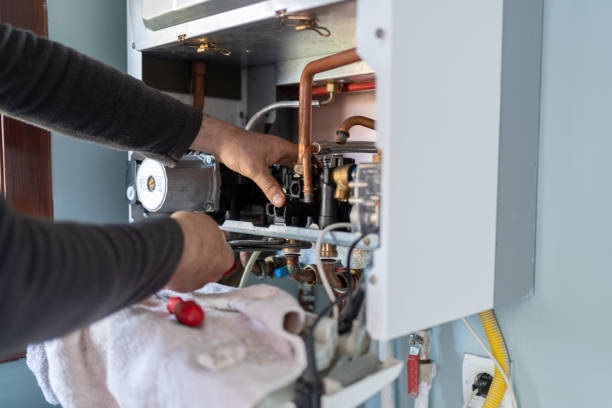
Underfloor heating (UFH) is a system installed beneath your floor that heats your home from the ground up. It works by circulating warm water through pipes (wet system) or using electric heating elements (dry system).
Key Features:
- Even heat distribution
- Hidden system (no bulky radiators)
- Energy-efficient operation
- Compatible with various flooring types
Types of Underfloor Heating Systems
Wet (Water-Based) Systems
These systems circulate hot water through pipes located under the floor.
Best for:
- New builds
- Large areas
- Long-term energy savings
Advantages:
- Lower running costs
- Works well with heat pumps
- Ideal for whole-house heating
Electric (Dry) Systems
Electric cables or mats generate heat beneath the flooring.
Best for:
- Smaller spaces (bathrooms, kitchens)
- Retrofits
- Quick installations
Advantages:
- Easier to install
- Lower upfront cost
- Fast heat-up time
Benefits of Underfloor Heating Services Swords
Choosing Underfloor Heating Services Swords offers a range of advantages for modern homeowners.
1. Even Heat Distribution
No more cold corners or uneven warmth. Heat rises uniformly across the entire room.
2. Energy Efficiency
Underfloor heating operates at lower temperatures compared to radiators, reducing energy consumption.
3. More Space & Better Aesthetics
Without radiators, you gain more wall and floor space for furniture and design.
4. Improved Air Quality
Less air circulation means fewer dust particles—great for allergy sufferers.
5. Increased Property Value
Modern heating systems are attractive to buyers and can boost your home’s value.
Frequently asked questions
The time required to install underfloor heating depends on the type of system being fitted, the size of the property, and the condition of the existing floors. In most homes, installation can take anywhere from one to five days. Smaller projects, such as a bathroom or kitchen using an electric system, are usually completed much faster than larger whole-house installations using water-based systems.
Electric underfloor heating is generally quicker to install because the heating mats or cables are laid directly beneath the flooring. This makes it an ideal option for renovation projects or rooms where minimal floor height changes are preferred. Water-based systems, on the other hand, involve installing a network of pipes beneath the floor and connecting them to the central heating system.
Underfloor heating is generally considered more energy-efficient than traditional radiator systems, which means it can often reduce overall heating costs when used correctly. Because the system heats the entire floor surface evenly, it requires lower operating temperatures to create a comfortable indoor environment.
Traditional radiators usually need to run at high temperatures to warm a room effectively. Underfloor heating works differently by gently radiating heat upward from the floor. This allows the system to maintain comfort while operating at much lower temperatures, which can reduce energy consumption over time.
Yes, underfloor heating can completely replace traditional radiators in many homes when the system is properly designed and installed. It is capable of heating rooms effectively by distributing warmth evenly across the floor rather than concentrating heat in one location.
Radiators often create uneven temperatures within a room, with areas close to the radiator feeling warmer while other parts remain cooler. Underfloor heating solves this issue by providing consistent heat coverage throughout the entire space. As heat rises naturally from the floor, the room maintains a more balanced and comfortable temperature.
Underfloor heating is compatible with most modern flooring materials, making it a highly versatile heating solution for residential properties. However, certain flooring types perform better than others because of how efficiently they transfer heat.
Tile and stone flooring are widely considered the best options for underfloor heating because they conduct and retain heat extremely well. These materials warm up quickly and continue releasing heat even after the system has been switched off, making them ideal for bathrooms, kitchens, and living areas.
Laminate flooring and engineered wood are also commonly used with underfloor heating systems. Engineered wood is generally preferred over solid hardwood because it is more stable and less likely to expand or contract due to temperature changes. Vinyl flooring can also work effectively, provided it is specifically approved for use with heated floors.
Yes, underfloor heating is considered one of the safest heating solutions available for modern homes. When professionally installed and maintained, it provides reliable and efficient heating with minimal safety risks.
Unlike traditional radiators, underfloor heating systems operate at much lower temperatures. This significantly reduces the risk of burns or overheating, makingthesystem safer for children, elderly individuals, and pets. Because all heating components arehidden beneath the floor, there are no exposed hot surfaces or sharp radiator edges within the room.
Modern underfloor heating systems are designed with multiple safety features to ensure secure operation. Electric systems include protective insulation layers and advanced thermostatic controls that regulate floor temperatures automatically. Water-based systems are pressure-tested during installation to ensure there are no leaks or pipe issues before the floor is completed.